Modern Fireplace Ideas to Elevate Comfort and Contemporary Home Design
A Fireplace as a Defining Interior Feature
A fireplace can change the feeling of a room within minutes, turning an ordinary gathering area into a warm architectural focal point. Choosing the right fireplace, however, involves more than selecting a flame style or finish. A visit to a valor fireplace showroom ny can help homeowners compare heating options, installation requirements, materials, and visual proportions before deciding. The central idea is simple: a fireplace should combine dependable performance with design that suits the room. Careful planning can improve comfort, support lasting value, and create a feature that feels integrated.
Understanding the Room Before Choosing a Fireplace
A successful fireplace installation begins with understanding how the room is used throughout use. Some spaces need substantial supplemental heat, while others primarily benefit from ambiance and visual character. Room size, ceiling height, insulation, ventilation, and heating systems can all influence the appropriate choice. Furniture placement matters as well because a fireplace should complement natural movement rather than obstruct it. Considering these details early helps prevent expensive changes later. Guidance can clarify fuel types, control options, clearances, and installation requirements, allowing a design to remain attractive while meeting expectations.
Materials That Shape Fireplace Style and Character
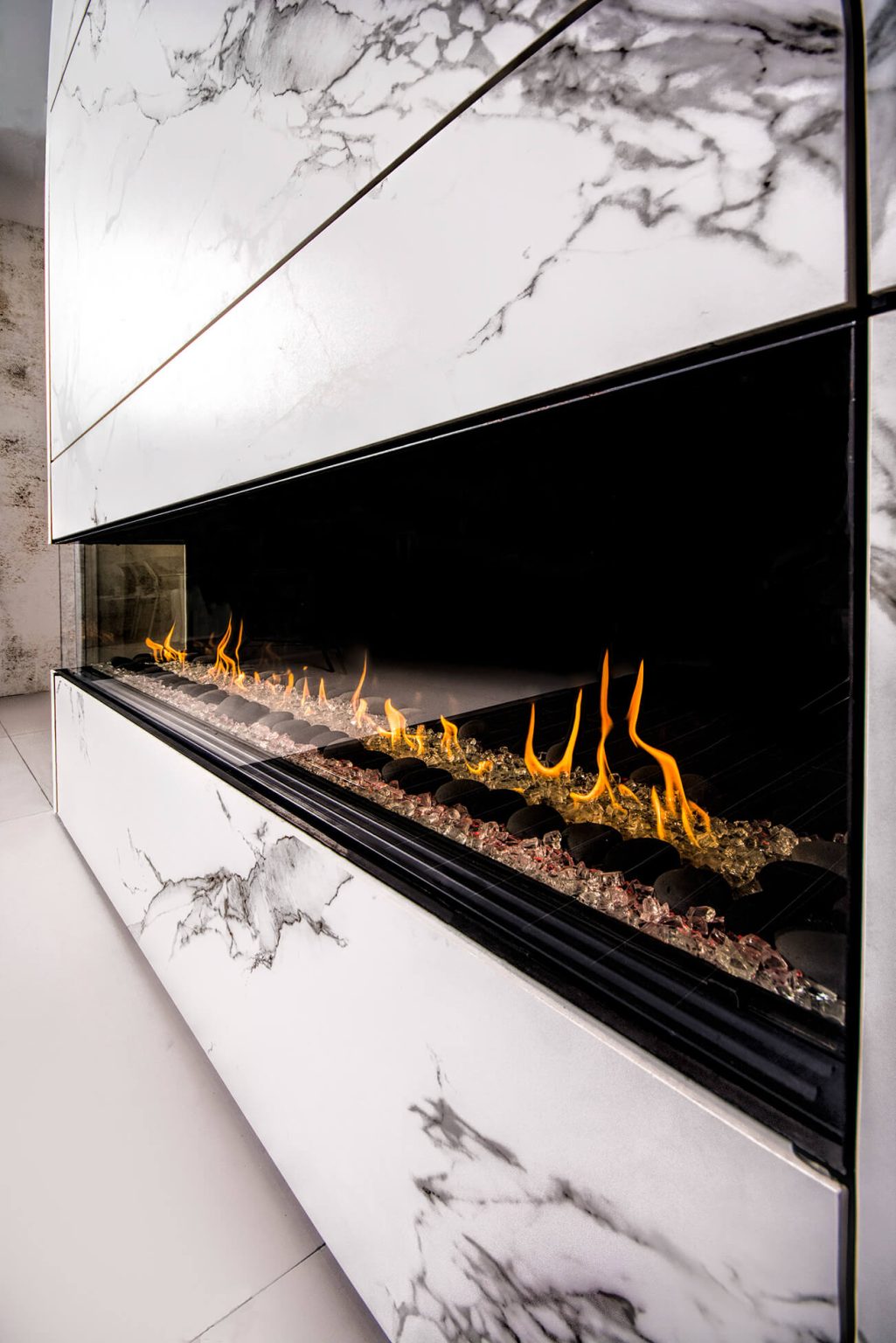
Material selection can strongly influence how a fireplace appears after installation. Stone creates a grounded, natural impression, while tile can introduce pattern, texture, or color. Smooth plaster and painted surrounds may produce a quieter contemporary appearance, particularly in minimalist interiors. Wood elements can add warmth indoors when installed with appropriate safety clearances. The surrounding wall should also be considered as part of the complete composition rather than treated separately. Coordinating the hearth, mantel, shelving, lighting, and nearby furniture can make the fireplace feel connected to the architecture and interior style.
Creating a Modern Fireplace Wall With Purpose
Contemporary interiors often use fireplaces as statement features rather than traditional standalone heating appliances. A modern fireplace wall design can combine a linear firebox with built-in cabinetry, textured surfaces, television placement, lighting, or decorative niches. The strongest results usually come from visual restraint, where each element supports the fireplace without competing for attention. Proportion is particularly important because an oversized wall can overwhelm a smaller room, while a narrow feature may appear disconnected. Thoughtful planning ensures the finished installation feels balanced, practical, and consistent with the home's existing materials and architectural character.
Using Technology to Improve Fireplace Convenience
Technology has expanded the possibilities available to homeowners considering a new fireplace. Modern gas and electric models may offer adjustable flame presentations, remote controls, programmable settings, and efficient operation depending on the selected system. These features can make everyday use more convenient while allowing the appearance to remain consistent with a carefully planned interior. Safety should remain a priority, especially when fireplaces are installed near electronics, cabinetry, or combustible materials. Following manufacturer instructions and using qualified installation professionals helps protect the home while ensuring that the appliance performs as intended long term.
Planning Installation and Long-Term Maintenance Carefully
Before purchasing a fireplace, homeowners should review installation conditions and long-term maintenance requirements. Existing chimneys, gas lines, electrical capacity, wall construction, and ventilation can affect project scope and cost. In some homes, an existing fireplace opening may require modification before a new model can be fitted properly. Maintenance requirements vary by fuel and appliance type, so understanding cleaning, inspections, servicing, and replacement components is useful beforehand first overall. Asking detailed questions during planning can reveal potential challenges early and make the final project more predictable from budgeting through completion.
Designing a Room Around Warmth and Social Comfort
A fireplace can influence how people organize a room and experience it socially. When positioned thoughtfully, it can create a conversation zone, encourage seating, and provide a visual anchor during gatherings. The design should therefore consider sightlines from seating areas, walking paths, and nearby rooms. Lighting deserves attention because ambient illumination can either enhance or diminish the fireplace's effect. Layered lighting, artwork, and complementary textures can support the feature without making the space feel crowded. Ultimately, the goal is a welcoming environment where warmth and design work together naturally.
Making a Lasting Fireplace Investment
Choosing a fireplace is ultimately a balance between taste, household needs, technical requirements, and lasting value. Researching models, comparing finishes, and discussing installation conditions can make the decision confident and practical. A well-planned fireplace should remain useful beyond decorating trends while adding character to the home. For homeowners seeking inspiration and guidance, Fireplace Gallery can provide a starting point for exploring possibilities. Careful consideration of performance, proportions, materials, and placement can help create a centerpiece that enhances comfort while complementing the character and atmosphere of an interior for years to come.


Comments
Post a Comment