How Modern Fireplace Walls Transform Living Rooms Into Stylish Spaces
A Strong First Impression
A fireplace can instantly change the atmosphere of a living room, but modern interiors demand more than a traditional hearth. Homeowners increasingly seek designs that combine warmth, entertainment, architectural character, and visual balance in one feature. A thoughtfully planned fireplace wall with tv can achieve that effect by bringing two major focal points together without making the room feel crowded. The main idea is that successful fireplace design depends on proportion, materials, placement, and practical planning. When these elements work together, a fireplace wall can become an elegant centerpiece that supports both everyday comfort and contemporary interior style.
Balancing Entertainment and Warmth
Combining a television with a fireplace requires careful consideration because both elements naturally attract attention. Their placement should create visual harmony rather than competition. A television positioned above or beside the fireplace can provide a streamlined appearance when the surrounding wall is designed intentionally. Material selection also matters, as stone, tile, wood, plaster, and textured finishes can establish different moods. Proper ventilation, heat management, viewing height, and cable concealment should also be considered before installation. These practical details help preserve the appearance of the wall while ensuring that the entertainment system and fireplace function comfortably within the overall living environment.
Choosing Materials for Character
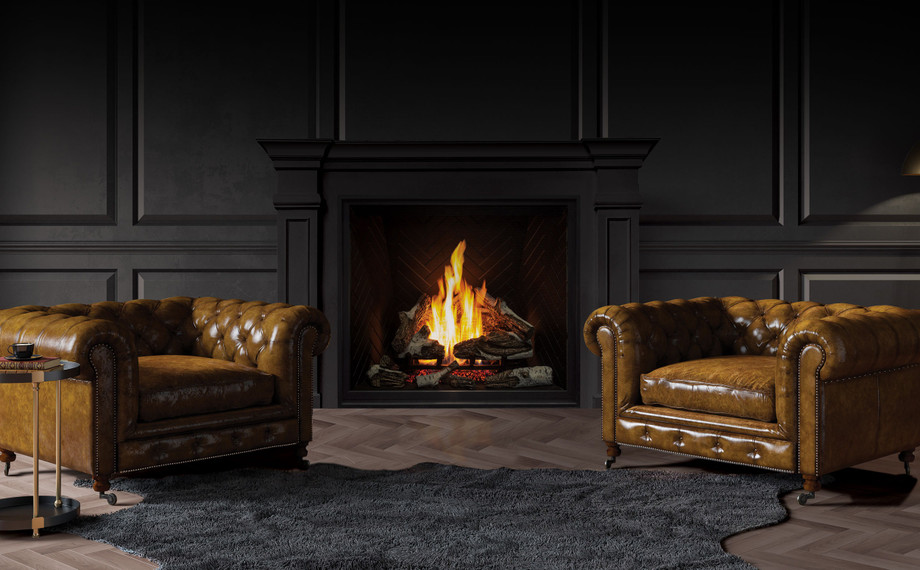
Materials can determine whether a fireplace wall feels subtle, dramatic, traditional, or distinctly modern. Large-format stone creates a strong architectural presence, while smooth plaster offers a quieter and more minimalist appearance. Wood accents can introduce warmth and contrast, particularly in rooms dominated by neutral surfaces. Metal details may provide a refined contemporary edge without overwhelming the design. The most effective approach is usually to select materials that complement existing flooring, furniture, lighting, and architectural features. Consistency is important because the fireplace should appear integrated into the room rather than added as an isolated decorative object.
Understanding Designer Fireplace Trends
Contemporary fireplace design increasingly focuses on clean proportions, distinctive finishes, and personalized architectural details. For homeowners researching designer fireplace ny, exploring different approaches can provide useful inspiration for creating a sophisticated focal point. Linear fireplaces, custom surrounds, recessed installations, and sculptural mantels can each produce a different visual effect. However, trends should not automatically determine every decision. A design that looks impressive in a large showroom may feel unsuitable in a smaller living room. Considering room dimensions, ceiling height, natural light, furniture placement, and personal preferences helps ensure that the selected fireplace remains attractive beyond temporary design trends.
Planning the Wall Layout
A successful fireplace installation begins with accurate spatial planning. The wall should be evaluated for its width, height, structural requirements, and relationship with nearby doors or windows. If a television is included, viewing distance and screen position should be considered alongside the fireplace dimensions. Symmetry can create a formal appearance, while an asymmetrical arrangement may produce a more relaxed and artistic result. Built-in shelving, cabinets, niches, or concealed storage can further enhance functionality. Careful planning prevents common problems such as awkward proportions, blocked pathways, exposed wiring, or a television positioned at an uncomfortable viewing angle.
Creating Visual Continuity
The fireplace wall should connect naturally with the rest of the interior instead of appearing visually disconnected. Repeating colors, textures, or materials elsewhere in the room can strengthen this connection. For example, a stone fireplace may work particularly well when subtle stone tones appear in accessories or flooring. Lighting can also emphasize architectural details and create depth after sunset. Soft ambient lighting, concealed LED illumination, or carefully positioned fixtures can highlight the fireplace without creating excessive glare on a television screen. Visual continuity ultimately makes the feature feel like an intentional part of the room rather than a separate installation.
Prioritizing Comfort and Practicality
A beautiful fireplace must also be comfortable and practical for regular use. Heat output should be appropriate for the room, while the surrounding materials should be selected with safety and durability in mind. Modern electric and gas fireplaces offer different installation possibilities, operating characteristics, and aesthetic effects, so the choice should reflect the property's requirements and lifestyle. Maintenance should also be considered before selecting finishes or equipment. Easy-to-clean surfaces, accessible components, and thoughtfully planned ventilation can make long-term ownership simpler. Practical decisions made during the design stage can protect both the appearance and performance of the finished feature.
Bringing the Design Together
A well-designed fireplace wall can provide more than warmth or a place to mount a television; it can establish the visual identity of an entire living space. The strongest results come from balancing technology, architecture, materials, safety, and personal style rather than focusing on a single decorative feature. Professional design guidance can help homeowners understand proportions, installation requirements, material combinations, and available fireplace options before construction begins. For those exploring suitable ideas and finishes, the Fireplace Gallery website can provide another point of reference during the planning process. Ultimately, thoughtful preparation allows the finished fireplace to remain functional, attractive, and relevant for years.


Comments
Post a Comment